
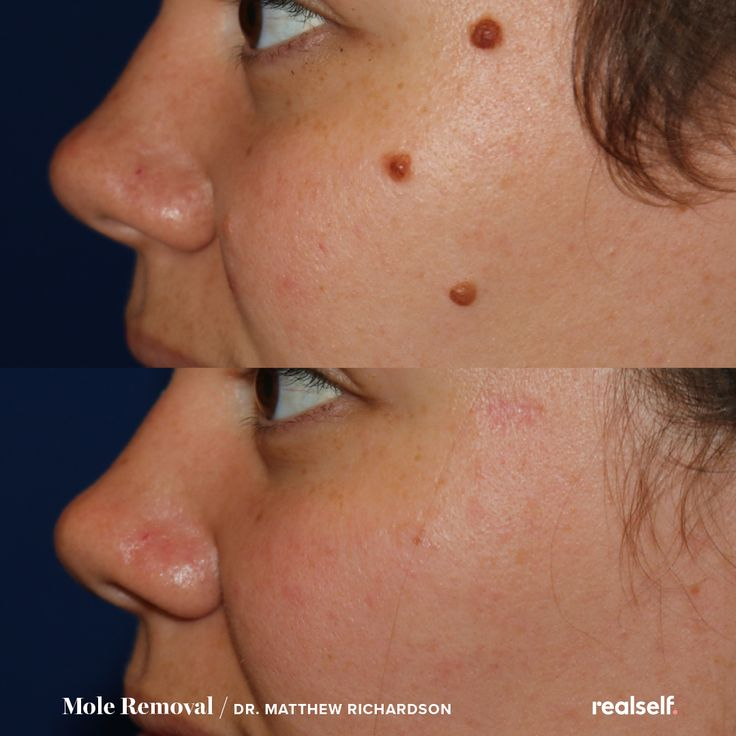
Moles & Warts Moles & Warts Common 4 min read

Moles & Warts

Removal and treatment of moles and warts.

Moles & Warts

Duration

Permanent after removal

Common Age

Any age

Recovery

3–10 days

Severity

Common

Understanding Moles & Warts

Moles and warts are common skin growths that can appear anywhere on the body. Moles are pigmented clusters of melanocytes, while warts are caused by the human papillomavirus (HPV). While most are harmless, they can be cosmetically bothersome or cause discomfort. At Dermacian Jaipur, we offer safe, effective removal of moles and warts with minimal scarring.

Signs & Symptoms

Moles — brown, black, or skin-colored growths that can be flat or raised
Warts — rough, textured growths, usually skin-colored, white, or pink
Warts on hands and fingers (common warts)
Warts on feet (plantar warts) — may be painful when walking
Flat warts — small, smooth, flat-topped growths, often on the face
Filiform warts — thread-like growths on the face and neck
Moles that change in size, shape, or color (should be examined immediately)

Causes & Risk Factors

1

Moles — clusters of pigment-producing cells (melanocytes), determined by genetics and sun exposure

2

Warts — infection with human papillomavirus (HPV), which enters through small cuts or abrasions

3

Warts spread through skin-to-skin contact or contaminated surfaces

4

Warts are more common in people with weakened immune systems

5

Nail biting and cuticle picking increase wart risk around nails

6

Moles can be present at birth or develop throughout life

When to See a Dermatologist

  • A mole changes in size, shape, color, or elevation (ABCDE rule — see a doctor immediately)
  • A mole is bleeding, itching, or painful
  • A wart is spreading, painful, or interfering with daily activities
  • You want a mole or wart removed for cosmetic reasons
  • You have a new growth and are unsure if it is a mole, wart, or something else
  • You have many moles and want a full skin check
Schedule a Consultation →

Treatment Options at Dermacian

1

Radiofrequency Ablation

RF energy precisely removes warts and raised moles with minimal scarring. Quick procedure with fast healing. Most effective for raised growths.

2

Laser Removal

CO2 or Q-Switched laser removes moles and warts with precision. Ideal for flat moles and facial growths where minimal scarring is important.

3

Cryotherapy (Freezing)

Liquid nitrogen freezes and destroys wart tissue. May require multiple sessions. Good for common and plantar warts.

4

Surgical Excision

For larger or suspicious moles, the growth is surgically removed and sent for biopsy. Sutures are placed and removed after 7–10 days.

5

Chemical Cautery

Strong acids (salicylic acid, trichloroacetic acid) applied to dissolve warts. Slower but effective for small warts.

6

Immunotherapy

For stubborn, recurrent warts, we stimulate the immune system to fight the HPV virus. Applied topically over several weeks.

Prevention & Management Tips
Do not pick at or scratch warts — this spreads the virus to other areas
Don’t share towels, razors, or personal items if you have warts
Wear footwear in public showers and locker rooms to prevent plantar warts
Keep hands dry and avoid nail biting
Monitor existing moles for changes using the ABCDE rule
Apply sunscreen to prevent UV-induced mole changes
Get regular skin checks if you have many moles or a family history of skin cancer
Dr. Vivek Rungta

Doctor's Note

"Never self-remove moles or warts. Proper examination ensures the lesion is benign and the best removal method is chosen."

— Dr. Vivek Rungta, Dermatologist & Hair Transplant Specialist

Share this page:

Patient Stories

What Our Patients Say

"Visited here to consult Skin ulcers on the hands. Both hands are in very bad situation. Consulted many doctors and hospitals without any improvement. Thanks to Dr Vivek Rungta for treating this difficult and rare disease."

— शंकर शाहू

"Results are very goods in pigmentation"

— Zohra Khan

"In my opinion Dr Vivek Rungta is the excellent skin and cosmetic surgeon. He do very clean skin surgeries, his expertise in laser skin treatments is class apart. Results of Laser treatment depends not only on the quality of the machine but also on expert hands of the treating person, who can effectively use that device and bring the best results out of it. That's why my first choice is Dermacian Clinic where all the laser machine are imported from the best companies in the world and doctor is trained to operate all these expensive Laser machines. Recommended to everyone who is looking for best skin laser treatments."

— Jp Kashyap

Questions & Answers

FAQs About Moles & Warts in Jaipur

Are moles dangerous?
Most moles are harmless. However, moles that change in size, shape, or color (ABCDE rule: Asymmetry, Border, Color, Diameter, Evolving) should be examined by a dermatologist immediately to rule out melanoma.
Will wart removal leave a scar?
Modern removal techniques (RF ablation, laser) are designed to minimize scarring. Some methods leave minimal marks that fade over time. Your dermatologist will choose the method best suited to minimize scarring for your specific case.
Can warts spread to other people?
Yes, warts are caused by HPV and are contagious. They can spread through direct skin contact or sharing contaminated items. Prompt treatment prevents spreading to yourself and others.
Why do warts keep coming back?
Warts can recur if the HPV virus remains in the skin. Complete removal of the wart tissue and surrounding infected area is essential. Immunotherapy may be needed for stubborn, recurrent warts.
4.9 Rating · 909 Happy Patients

Get Treatment for Moles & Warts

Schedule your consultation with Jaipur's top dermatologists today.

Chat on WhatsApp Call +91 9461665511